Used-vehicle pricing is sending dealers a mixed signal.
On one hand, retail listing prices are climbing. Cox Automotive reported that the average used-vehicle listing price reached $26,918 in May, the highest level since mid-2023. Available used-vehicle inventory also increased from April, reaching 2.12 million units and 45 days' supply.
On the other hand, retail sales pace slowed. Cox estimated May used retail sales were down 3.9% year over year and down 2% from April.
That combination matters. A higher market does not automatically mean every unit deserves a higher bid, a higher ACV, or a more aggressive retail price. For independent dealers, it means inventory discipline is becoming more important, not less.
The Market Is Not Moving Evenly
Averages are useful, but they can also hide the decisions that matter most on the lot.
The overall market may show 45 days' supply, but vehicles under $15,000 carried only 33 days' supply in May, according to Cox. That is a very different market. A clean, affordable unit may deserve a more aggressive sourcing strategy than a higher-priced vehicle with slower local demand.
Wholesale values tell a similar story. The Manheim Used Vehicle Value Index was up 3.6% year over year in May, but demand was softer than April. MMR retention averaged 99.5%, and sales conversion remained above recent May averages, so the signal was not uniformly stronger.
For dealers, the point is simple: the market is not one market.
A compact car, a three-row SUV, an EV, an older affordable sedan, and a former rental unit may all require different decisions. National indicators can help set context, but they cannot replace unit-level judgment.
The Old Mistake: Bidding Up Because The Market Is Up
When prices rise, it is tempting to loosen buying discipline.
That can be dangerous.
A dealer might see stronger wholesale values and assume there is more room to bid. But a vehicle still has to prove that it can retail profitably in that dealer's market. The question is not whether the segment is hot. The question is whether this specific vehicle can be bought, reconditioned, priced, and turned with enough margin to justify the risk.
That means every serious acquisition decision should answer a few practical questions before the bid ceiling goes up:
- What is the realistic retail exit in the dealer's local market?
- How many similar vehicles are available nearby?
- Are those vehicles moving, or just sitting online?
- What does the trim, mileage, history, and condition do to the unit's retail position?
- What will transport, fees, and reconditioning do to the gross?
- What is the walk-away number?
- If the unit does not sell quickly, what is the pricing plan?
Those questions are not theoretical. They are the difference between buying inventory and buying problems.
Inventory Discipline Now Has To Cover The Full Lifecycle
For independent dealers, inventory discipline should not start and stop at appraisal.
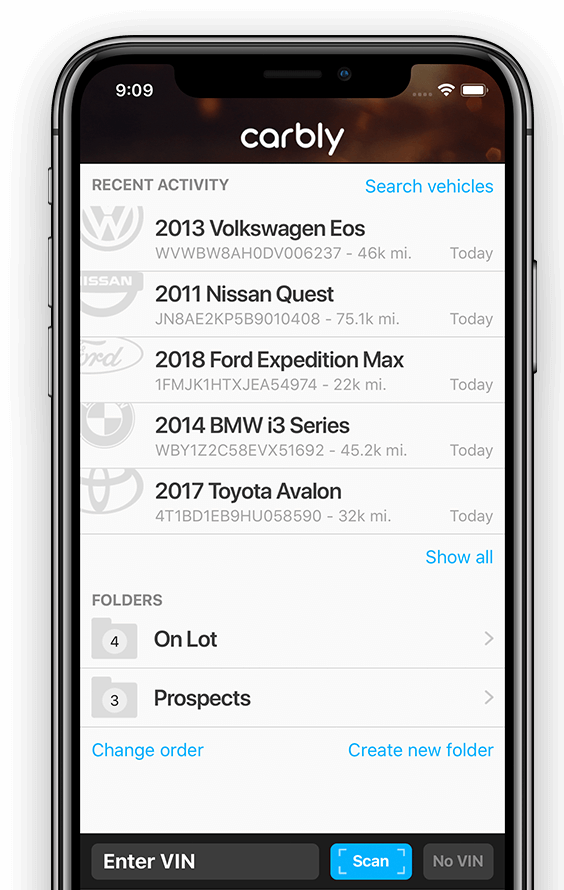
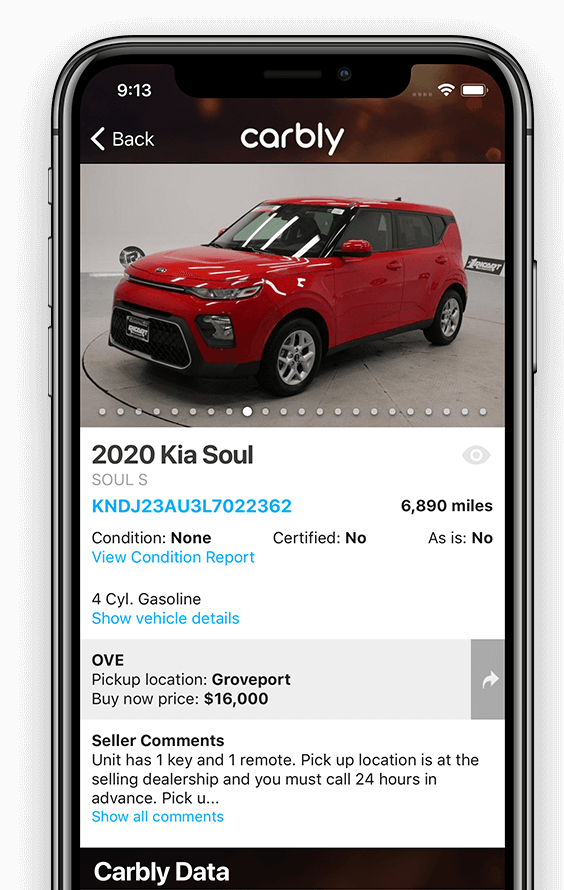
It starts with sourcing. Dealers need to know which vehicles are worth pursuing before they spend time and attention on them. Carbly Auctions Plus supports that first step by helping dealers find and evaluate wholesale opportunities before the lane gets emotional.
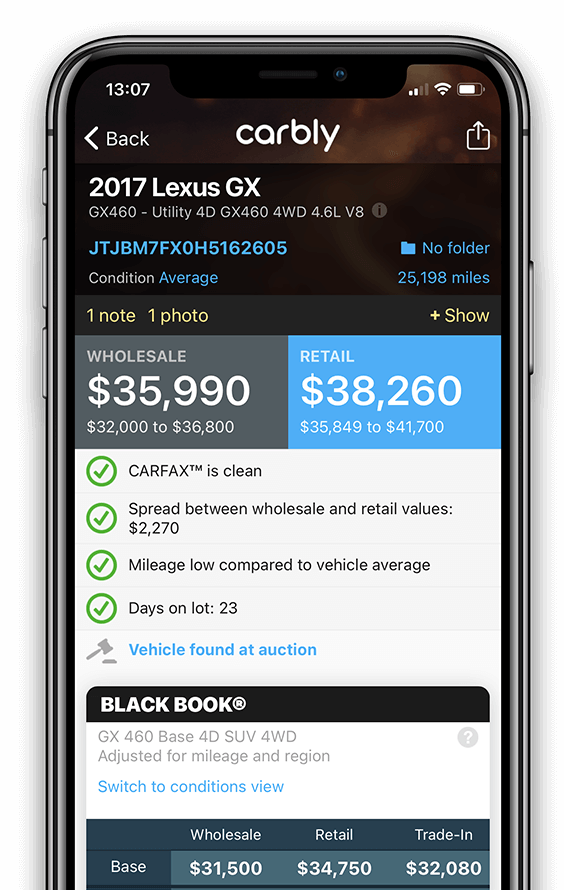
It continues into buying. The right ACV or max bid should account for book values, local comps, history, condition, fees, recon, and target gross.
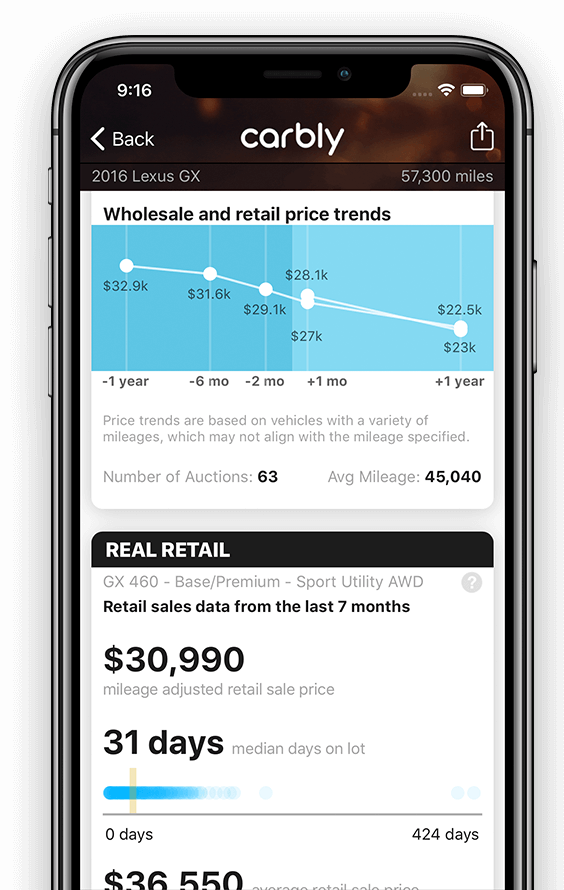
It carries into pricing. A vehicle should not be priced based only on what the dealer paid or what the broader market is doing. It needs to be priced against the local competitive set, using tools like Live Local Market to understand nearby listings, mileage, history, pricing, and days on market.
And it has to continue after acquisition. A unit that looked right on day one can become a problem by day 30, 45, or 60 if the market moves, demand softens, or the vehicle is priced out of position. That is where Lot Sense can help dealers see which inventory needs attention before aging turns into lost gross.
That is especially true in a market where affordability is stretched. Price-sensitive shoppers have fewer choices, but they are also under pressure. Dealers cannot assume that higher listing prices mean buyers will accept any price. The local market still decides.
What Independent Dealers Can Do Differently
The dealers who navigate this market well will likely have a few habits in common.
First, they will separate market context from vehicle decisions. A market report may say prices are up, but the individual vehicle still has to earn the bid.
Second, they will use local data before they commit capital. A national average can explain the environment. It cannot tell a dealer whether a specific vehicle is scarce, overpriced, or aging in their market.
Third, they will build a retail exit plan before acquisition. The right question is not just "Can I buy it?" It is "Can I sell it at the right price, in the right time frame, after all costs?"
Fourth, they will watch inventory after it lands. A good buy can become a bad outcome if pricing and aging are ignored.
The Opportunity For Independents
Independent dealers do not need enterprise complexity to make better inventory decisions. They need practical intelligence at the point of decision.
That means tools and processes that help them source right, buy right, price right, and manage right.
In a rising-price market with uneven demand, that discipline becomes a competitive advantage. The dealers who keep it will be less likely to chase the wrong cars, overpay at auction, miss local pricing signals, or let aging inventory quietly drain profit.
The market is giving dealers more information than ever. The advantage goes to the dealers who turn that information into better decisions.
Start Your Free TrialWant a better way to turn market data into inventory decisions? Carbly helps dealers source right, buy right, price right, and manage right with practical market intelligence across the full inventory lifecycle. Start your free 14-day trial.