A market average can make inventory feel safer than it is.
If the market looks like a 45-day supply, it is easy to assume inventory is moving at a reasonable pace. Not too tight. Not too soft. Manageable.
But broad averages do not tell you which vehicles on your lot are already becoming a problem.
Some units may still be scarce, well-priced, and ready to move. Others may be drifting toward 75-day inventory before they ever show up in an aged-stock report.
That is the risk dealers have to manage. Not just how the market looks overall, but whether each vehicle still has a clear path to retail profit.
A Market Can Look Healthy While The Wrong Cars Age
Days' supply is useful. It gives dealers a quick read on market balance. If supply is low, demand may be outpacing availability. If supply is high, pricing pressure may build.
But days' supply is still an average. It does not tell you whether a specific vehicle is priced correctly, whether local competition is building, or whether shoppers are losing interest.
Two vehicles can sit inside the same market and require completely different decisions.
A clean, affordable sedan with low mileage and limited local competition may need to be protected because replacing it could be difficult.
A higher-priced SUV in a crowded local segment may need action now, even if the broader market looks stable.
If both vehicles are managed as if they carry the same risk, the dealer may miss the opportunity in one and the problem in the other.
Aging Risk Starts Before The Age Bucket
Most dealers know to review aged inventory at 45, 60, or 75 days.
The problem is that risk often starts earlier.
A vehicle does not suddenly become a problem on day 61. It becomes a problem when the market moves away from it, when similar units get cheaper, when demand softens, or when the original price was never realistic.
By the time a vehicle lands in a 60-day or 75-day report, the dealer may have already lost the best window to act.
That is why inventory management cannot only be reactive. Dealers need to watch the signals that predict aging risk before the unit becomes obviously stale.
Those signals include:
- Similar vehicles piling up in the local market
- Competitors lowering prices
- Your unit sitting above the local price band
- Low lead activity or weak shopper engagement
- Mileage, trim, history, or condition making the vehicle less competitive
- A vehicle priced around acquisition cost instead of retail reality
- No clear markdown plan after the first few weeks
- A segment that looked strong when you bought it but has softened since
Aging risk is not just about time. It is about whether the vehicle is still positioned to sell.
The First Price Is Often The Most Important Price
A lot of inventory problems begin with the first retail price.
If a vehicle is priced too high on day one, the dealer may spend the first 20 or 30 days proving what the market already knew. By the time the price comes down, the unit has lost freshness, shoppers have passed over it, and competing listings may have moved.
That does not mean every car should be priced aggressively from the start. It means the opening price should be intentional.
Before a vehicle goes live, dealers should know:
- Where it sits against local comps
- Whether those comps are truly comparable
- How many similar units are nearby
- Whether similar vehicles are moving or sitting
- What price range gives the unit a real chance to attract buyers
- How much room exists for markdowns while protecting gross
- When the first review should happen if activity is weak
A good first price does not guarantee a fast sale. But a weak first price can create the 75-day problem from the beginning.
Local Competition Matters More Than The Average
A broad market number can explain the environment. Local competition explains the fight.
A dealer may see a manageable market and assume inventory conditions are fine. But if there are 18 similar SUVs within 50 miles, several have been listed for weeks, and your unit is priced near the top, your real risk is higher than the average suggests.
The reverse can also be true. If affordable units are scarce in your area and your vehicle is clean, well-priced, and in a strong mileage band, the average may understate the opportunity.
This is why local market data matters. Dealers need to know how their inventory compares to the vehicles shoppers are actually seeing.
That means looking at:
- Local supply
- Price position
- Mileage bands
- Trim differences
- Vehicle history
- Days on market
- Recent price changes
- Distance from the store
- Whether competitors are franchise stores, independents, or private sellers
Inventory risk is local. Your process should be too.
The Full Lifecycle View
Aging inventory is usually treated as a management problem, but it often starts as a sourcing, buying, or pricing problem.
If the wrong vehicle is sourced, the inventory team inherits the risk.
If the vehicle is bought too high, pricing flexibility is limited from the start.
If the opening retail price is based on cost instead of the local market, the unit may lose its best selling window.
If nobody watches the vehicle until it hits an age bucket, the store may react too late.
That is why the better process follows the full lifecycle:
- Source right: know whether the vehicle fits your market before pursuing it.
- Buy right: set the ACV or max bid with retail exit, recon, fees, and target gross in mind.
- Price right: launch the vehicle against the real local competitive set.
- Manage right: monitor market position, demand, and aging risk before profit leaks away.
A 75-day problem usually leaves a trail. The earlier a dealer sees that trail, the more options they have.
What To Review Every Week
A simple weekly inventory review can catch a lot of risk before it becomes expensive.
Dealers should look for units that:
- Have weak engagement relative to similar inventory
- Are priced above the strongest local comps
- Have not had meaningful activity in the first two weeks
- Sit in segments where local supply is rising
- Have history, mileage, trim, or condition disadvantages
- Were bought with thin margin
- Need a pricing decision before the next age bucket
- No longer match the assumptions made at acquisition
The goal is not to mark everything down. The goal is to decide sooner.
Some vehicles need a price adjustment. Some need better merchandising. Some need a different retail strategy. Some were simply bought wrong, and the best decision is to limit the damage before it gets worse.
How Carbly Helps
Carbly helps dealers connect inventory decisions across the full vehicle lifecycle.
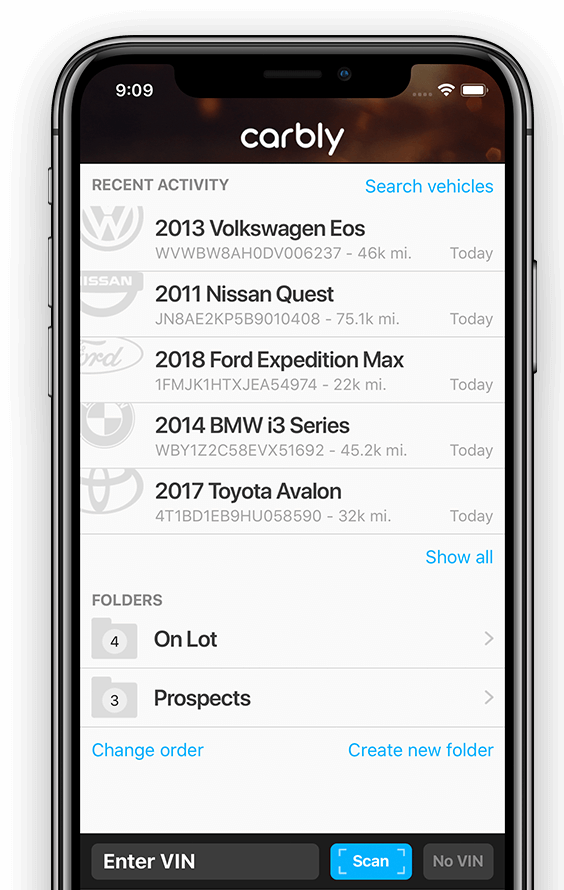
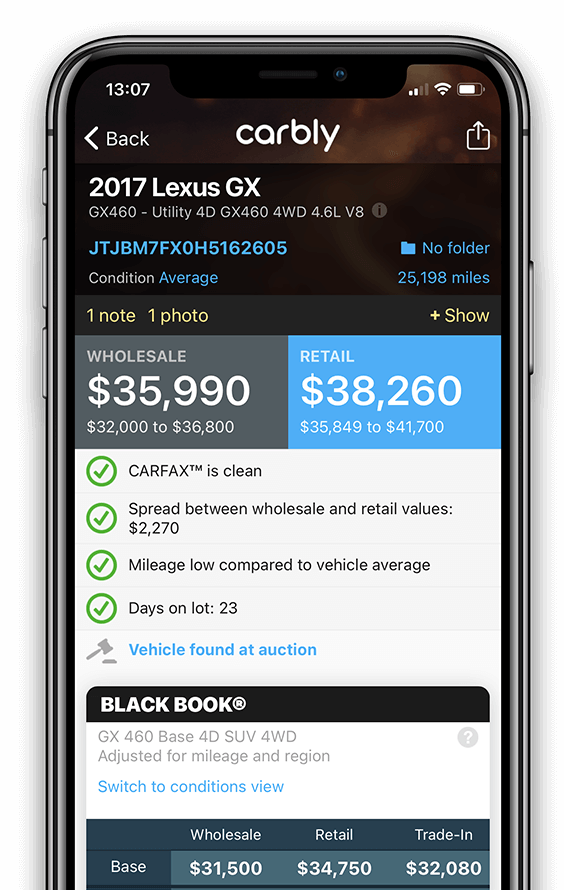
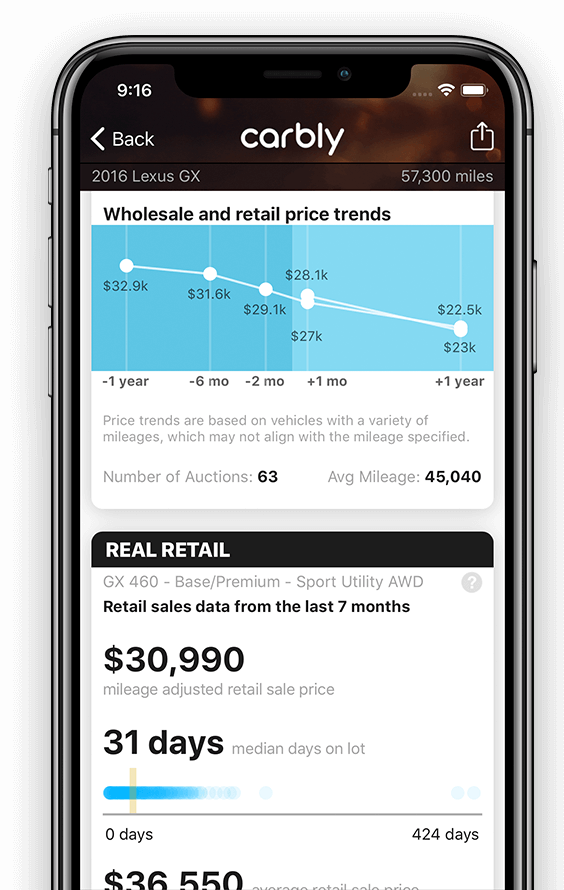
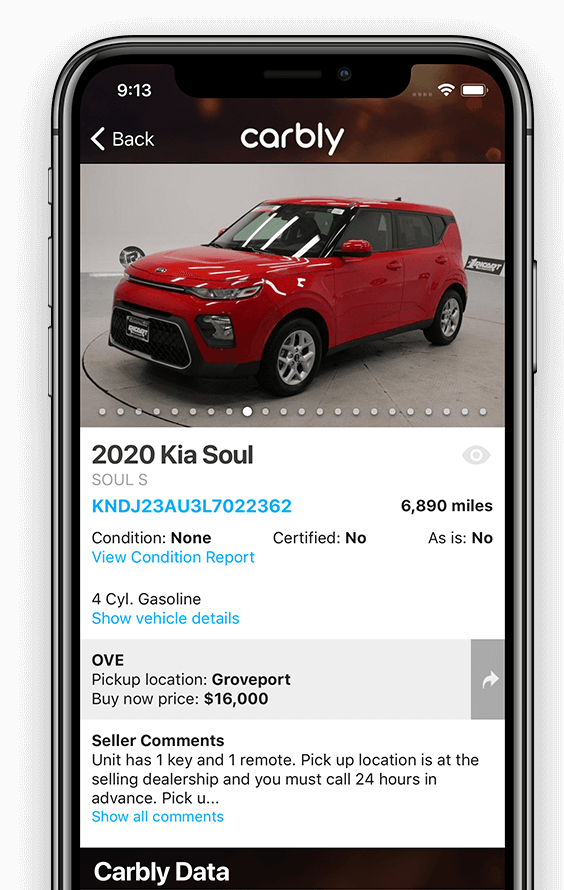
Live Local Market helps dealers compare a vehicle against nearby retail listings before and after acquisition. Market Tracker adds regional supply and demand context. Lot Sense helps dealers monitor inventory health and identify vehicles that need attention before aging turns into lost gross.
That matters because a market average is only a backdrop.
The real question is whether each vehicle on your lot still has a clear path to retail profit.
Dealers who manage that question early have more control over gross, turn, and capital. Dealers who wait for the age report may find out too late that a 75-day problem started weeks earlier.
Start Your Free TrialWant a better way to spot aging risk before it costs you? Carbly helps dealers source right, buy right, price right, and manage right with practical market intelligence across the full inventory lifecycle. Start your free 14-day trial.