A lot of dealers already have a process for researching auction vehicles.
Open the runlist. Find a vehicle that looks interesting. Review the photos, condition report, announcements, and seller notes. Copy the VIN into another tool. Check book values. Search retail listings. Compare a few nearby vehicles. Estimate recon. Work backward to a bid.
Then repeat the process for the next vehicle.
A careful buyer can make good decisions this way. The challenge is applying the same level of research across an entire runlist. As the list gets longer and the sale gets closer, buyers have to decide which vehicles deserve a deeper look and which ones get a quicker judgment.
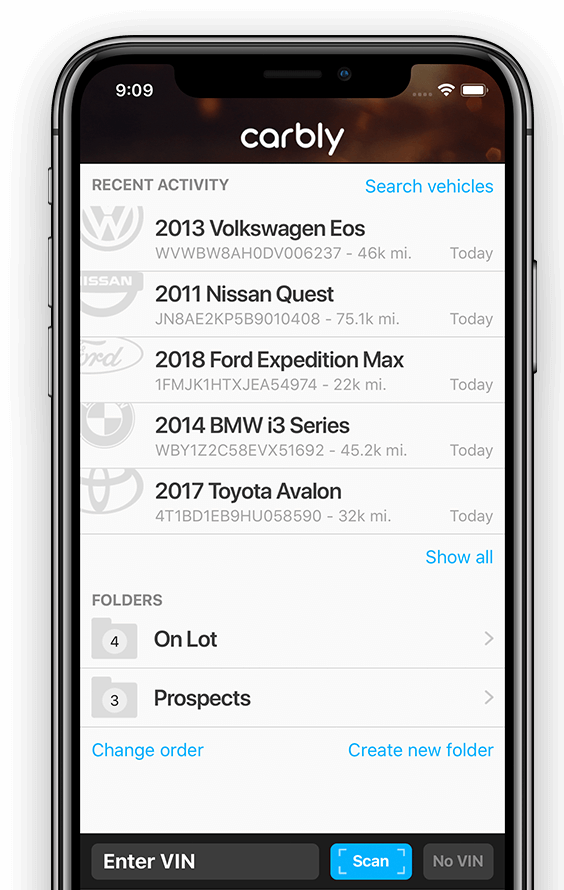
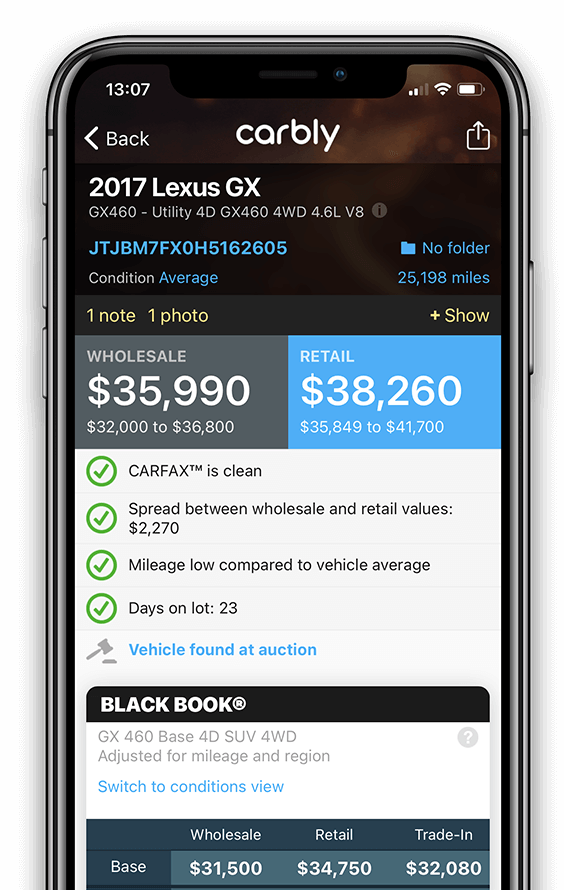
Carbly brings more of that research into one inventory workflow. It does not replace the buyer's judgment. It helps the buyer apply that judgment with better context and greater consistency.
The Manual Process Is Not One Process
Manual auction research usually happens across several places:
- The auction platform
- A valuation or guidebook tool
- Retail listing sites
- Vehicle history reports
- A spreadsheet or notes app
- Messages between the buyer, manager, and store
None of those sources is necessarily a problem on its own. The problem is that the buyer has to connect them while reviewing one vehicle after another.
That takes time, and the quality of the process can change depending on who is buying, how many vehicles are under consideration, and how quickly a decision has to be made. The obvious candidates may get careful research while less familiar vehicles receive a quick book-value check and a few retail searches.
Good opportunities can be missed that way. Marginal vehicles can also look better than they should.
A Runlist Is Inventory, Not A Buying Plan
An auction runlist shows what is available. It does not tell you which vehicles belong on your lot.
That requires a different set of questions:
- Does this vehicle fit what our store sells well?
- Is there enough demand in our market?
- How many comparable vehicles are already available nearby?
- What are those vehicles listed for?
- Does this trim, mileage, and history justify a stronger bid?
- Can we own it at a number that leaves room for recon and gross?
- Will we still like the purchase if the vehicle is here in 45 days?
Answering those questions manually for every possible purchase is difficult. Buyers naturally spend more time on obvious candidates and move faster through everything else.
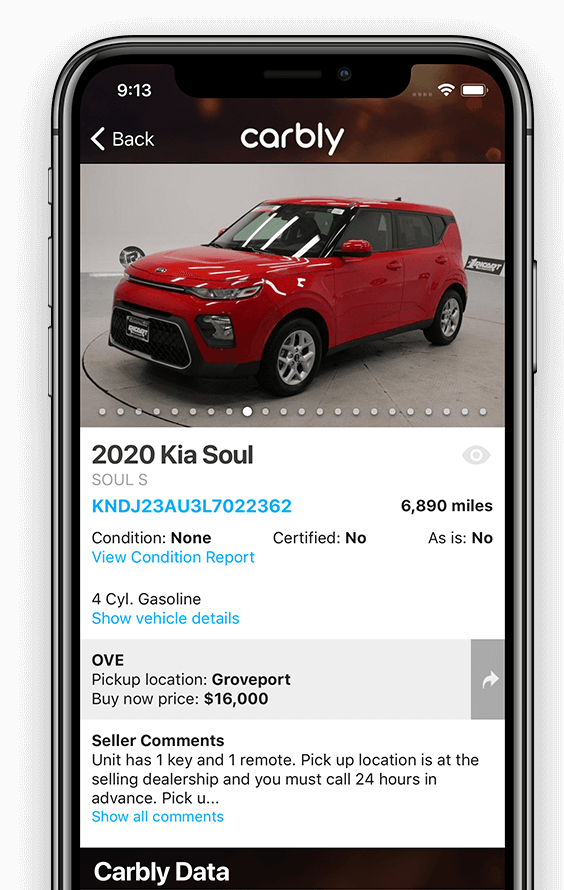
Carbly Auctions Plus helps dealers narrow the field before the sale. Buyers can search auction inventory across sources, review upcoming runlists, organize vehicles, and see Carbly pricing context on the auction listing. The result is a more focused list of vehicles that appear to fit the store's strategy.
Retail Comps Need Context
Looking up retail comps sounds straightforward. In practice, the quality of the answer depends on the quality of the comparison.
Two vehicles with the same year, make, and model can have very different retail prospects because of:
- Trim and equipment
- Mileage
- Vehicle history
- Condition
- Certification status
- Dealer type
- Distance from the store
- Time on market
- Previous price changes
- Local supply
The closest comp may not be the most relevant one. The lowest advertised price may have accident history, much higher mileage, or a less desirable trim. A vehicle priced above the rest of the market may be unusually clean or well equipped.
Consider two compact SUVs with similar book values. One has the right trim, clean history, and only a few comparable units available locally. The other has more mileage and would enter a crowded market against several vehicles that have already been sitting. A wholesale benchmark may treat them similarly, but they should not have the same bid ceiling.
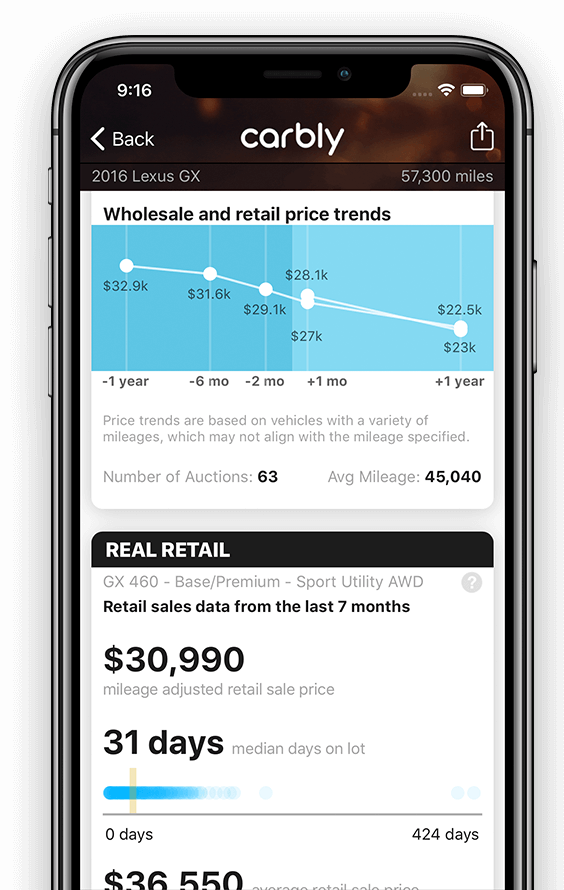
Carbly's Live Local Market helps buyers compare the individual vehicle against nearby retail inventory, including mileage, trim, asking price, price changes, and days on lot. Market Tracker adds broader supply and demand context, helping dealers see whether the local market supports the opportunity or works against it.
The Bid Should Start With The Retail Exit
Wholesale value is only part of the buying decision.
A vehicle can sell below a wholesale benchmark and still be a poor purchase. It can also sell above that benchmark and still produce a good result. What matters is whether the dealer has a credible retail plan.
Before bidding, the buyer should be able to estimate:
- A realistic retail price
- Expected recon and transportation costs
- The gross required by the store
- A reasonable time-to-sale expectation
- The maximum bid that supports those assumptions
Manual research can produce those answers. The difficulty is reaching them thoroughly and consistently while reviewing dozens of vehicles.
Experience is still essential. Carbly gives the buyer a faster way to put that experience to work.
What Changes With Carbly
Carbly connects the auction decision to the rest of the vehicle's lifecycle.
With Auctions Plus, dealers can find and organize wholesale opportunities before bidding starts. Carbly's appraisal tools help the buyer evaluate the individual vehicle and establish a disciplined ceiling. Live Local Market and Market Tracker provide the retail context needed to judge the likely exit.
After acquisition, the same market thinking carries into pricing and inventory management. Lot Sense helps dealers monitor inventory health and identify vehicles that need attention before aging becomes expensive.
That creates a practical inventory process:
- Source vehicles that fit the store and its market
- Buy with a clear ceiling and retail plan
- Price against the competitive market
- Manage the unit as its age and market position change
The value is not simply having more data. It is having the right information available at the point where the dealer has to make a decision.
Manual Research Still Has A Place
Some vehicles deserve additional investigation.
A rare configuration, unusual history, uncertain condition, or unfamiliar segment may call for a deeper search. Dealers also have local knowledge that no dataset can fully capture.
The question is whether rebuilding the entire decision from scratch is the best use of the buyer's time. A structured workflow can handle more of the repeatable work and make the exceptions easier to identify.
That leaves the buyer with more time for the questions that require real judgment:
- Why does this vehicle fit our inventory?
- Which comps actually matter?
- What could make this unit difficult to sell?
- What is our walk-away number?
- What do we know about this vehicle that the market may be missing?
Build A Buying Process, Not A Browser Routine
Checking runlists and retail comps by hand can work. The limitation appears when a dealer tries to apply that process across every auction, every candidate, and every buyer on the team.
Carbly turns that series of individual searches into a more repeatable inventory decision. Auction runlists show you what is available. Carbly helps you decide what is worth pursuing, what you can afford to pay, and how the purchase fits the rest of your inventory strategy.
Start Your Free TrialWant a faster way to evaluate auction vehicles? Explore Carbly Auctions Plus and see how auction inventory, appraisal data, and retail market context can support better buying decisions. Start your free 14-day trial.